Why Handstand Recovery Is Part of the Training
Most people treat recovery as doing nothing. In handstand training, that's a mistake. Your wrists, shoulders, and core are under constant load every time you kick up — and without intentional recovery, progress stalls, niggles become injuries, and motivation tanks.
Whether you've hit a frustrating plateau, you're nursing a sore wrist, or you've just been grinding hard for weeks, a structured recovery phase isn't a step back. It's how you get to the next level.
Signs You Need a Recovery Phase
Not sure if you need to back off? Watch for these:
- Wrist pain that lingers beyond your session or into the next day
- Shoulder tightness or clicking that wasn't there before
- No progress for 3–4 weeks despite consistent training
- Dreading your handstand sessions — mental fatigue is real
- Reduced strength or balance compared to your recent baseline
If two or more of these apply, it's time to build in a proper recovery block.
Active Recovery Techniques
1. Wrist Care
Wrists take the brunt of handstand training. During recovery:
- Do daily wrist circles, flexion/extension stretches, and prayer stretches
- Use a foam roller or massage ball on your forearms
- Avoid loading the wrists for at least 5–7 days if there's pain
2. Shoulder Mobility Work
- Doorframe chest stretches and cross-body shoulder stretches
- Banded shoulder dislocates (slow and controlled)
- Prone Y/T/W exercises to rebuild scapular stability
3. Core and Body Line Drills — Without the Wrist Load
You can still train your handstand shape without going upside down:
- Hollow body holds on the floor
- Plank variations and dead bugs
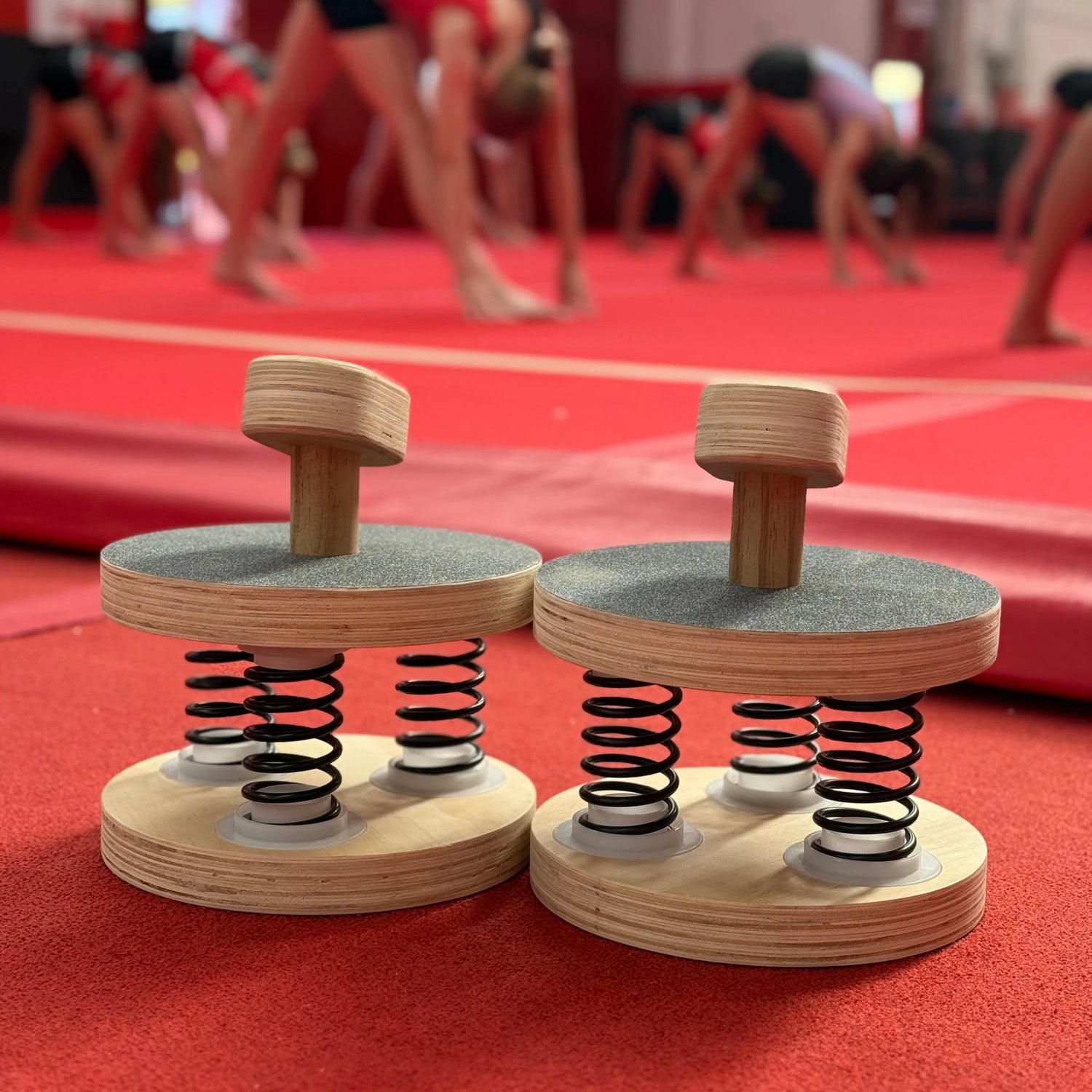
- Wall-facing holds using handstand blocks to reduce wrist angle and load
How to Structure a Deload Week
A deload doesn't mean zero training. It means reduced volume and intensity:
| Day | Focus |
|---|---|
| Mon | Wrist and shoulder mobility only (15 min) |
| Tue | Hollow body and core drills, no inversion |
| Wed | Rest or light walking |
| Thu | Wall-supported holds (50% of normal volume) |
| Fri | Mobility + light shoulder work |
| Sat/Sun | Full rest |
After one week, reassess. If pain is gone and motivation is back, ease back in at 60–70% of your previous volume.
Mental Recovery: Staying Motivated During a Break
Plateaus are demoralising — especially when you've been training consistently. A few things that help:
- Reframe the break as part of the process, not a failure. Every elite gymnast periodises their training.
- Watch and study — use the time to analyse technique videos, identify what you want to fix
- Set a return date — having a clear "back to training" day removes the open-ended anxiety of rest
- Track your mobility progress — recovery is still progress, even if it doesn't look like handstand reps
Grip and Chalk: Don't Overlook the Basics
Poor grip is a hidden cause of overcompensation injuries. If your hands are slipping, your wrists and shoulders work harder to compensate. Using gymnastics liquid chalk before sessions gives you a clean, consistent grip — reducing the micro-adjustments that cause cumulative strain.
When to Return to Full Training
Return when:
- ✅ Zero pain at rest and during light loading
- ✅ Full wrist and shoulder range of motion restored
- ✅ You feel mentally ready and motivated
- ✅ You've completed at least one full deload week
Start back with wall-supported work using wobble handstand blocks to reintroduce instability gradually, rather than jumping straight into freestanding attempts.
The Bottom Line
Handstand recovery isn't weakness — it's strategy. The athletes who progress fastest are the ones who know when to push and when to pull back. Build recovery into your training plan, protect your joints, and you'll come back to your practice stronger, sharper, and more consistent than before.
Ready to train smarter? Browse our full range of handstand training equipment designed to support every stage of your journey.