Why Kids Lose Motivation in Gymnastics
Gymnastics is one of the most rewarding sports a child can do — but it's also one of the most demanding. Progress can feel slow, skills are hard-won, and comparison with peers is inevitable. It's completely normal for motivation to dip, especially after the initial excitement wears off.
The good news? Motivation isn't fixed. With the right approach, you can help your child rediscover their love for the sport and build the kind of resilience that serves them well beyond the gym.
1. Focus on Progress, Not Perfection
Kids often lose motivation when they feel like they're "not good enough." Shifting the focus from outcomes (winning, nailing a skill) to progress (how far they've come) makes a huge difference.
Try keeping a simple training journal together — even just noting one thing they did better each week. Over time, the evidence of growth becomes undeniable and deeply motivating.
2. Make Home Practice Fun, Not a Chore
One of the biggest motivation killers is feeling like practice is a punishment or obligation. Home training should feel like play.
A few ideas:
- Set up a mini challenge course in the garden or living room
- Let them choose what to practise that day
- Train alongside them — kids love it when parents join in
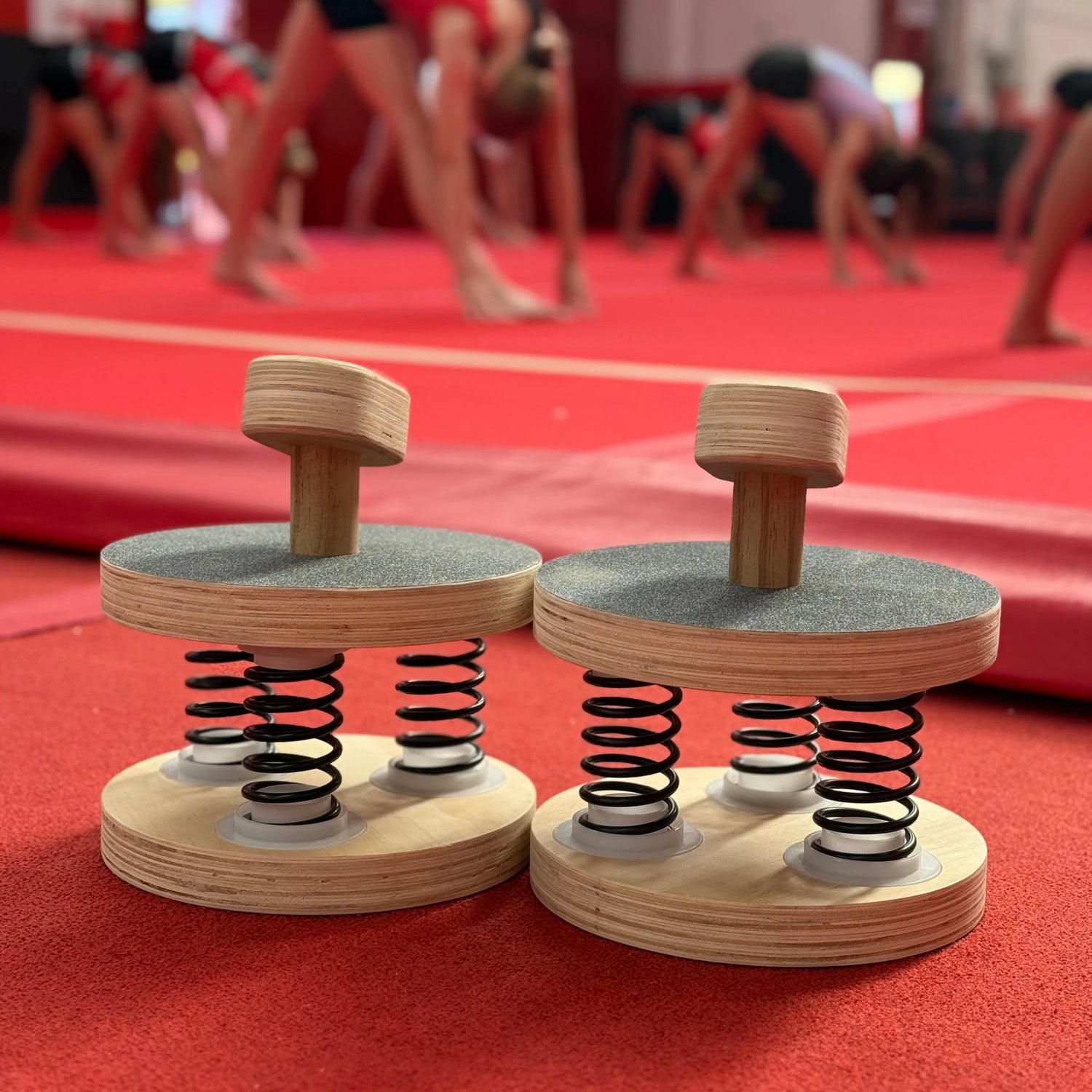
- Use equipment that makes training feel exciting, like wobble handstand blocks that add an element of instability and challenge
The Balance Addicts Handstand Starter Set is a great way to give kids everything they need to train at home in a way that feels like a proper setup — not just improvised.
3. Celebrate Small Wins
Don't wait for the big milestones. Celebrate the small ones:
- Holding a balance for 5 seconds longer than last week
- Finally getting a cartwheel straight
- Showing up to practice even when they didn't feel like it
Recognition — even just verbal praise — releases dopamine and reinforces the behaviour you want to see more of. Make it specific: "I noticed you kept trying even when that skill was frustrating you — that's real grit."
4. Let Them Have a Say
Children are far more motivated when they feel ownership over their training. Ask them:
- What skill do you most want to work on this month?
- Is there anything about training that you don't enjoy?
- What would make practice more fun?
You might be surprised by the answers — and acting on them shows your child that their opinion matters.
5. Reduce the Pressure Around Competitions
For some kids, competition is exciting. For others, it's a source of anxiety that drains their love of the sport. Pay attention to how your child responds to competitive environments.
If they seem stressed before competitions, try reframing the goal: "Let's just go and show what you've been working on." Remove the outcome from the equation entirely.
6. Connect Them With the Wider Community
Motivation often comes from belonging. If your child trains mostly alone or at home, finding a community — whether a local club, an online group, or even following gymnasts they admire — can reignite their passion.
Encourage them to share their progress, watch tutorials together, and celebrate other kids' achievements too.
7. Invest in Their Kit
This might sound simple, but it works: kids who feel like "proper athletes" train like proper athletes. Having their own quality equipment — chalk, ankle weights, blocks — gives them a sense of identity and pride in what they do.
- Gymnastics liquid chalk gives them that professional feel and genuinely improves grip
- Ankle weights add a training tool that feels grown-up and purposeful
- Pink wobble blocks are a favourite for kids who want something that feels like theirs
8. Know When to Take a Break
Sometimes the most motivating thing you can do is step back. A short break — a week or two away from structured training — can reset enthusiasm and remind your child why they love gymnastics in the first place.
This isn't quitting. It's periodisation, and even elite athletes do it.
The Bottom Line
Keeping kids motivated in gymnastics is less about pushing harder and more about creating the right environment — one where effort is celebrated, ownership is encouraged, and training feels like something they get to do, not something they have to do.
Your role as a parent isn't to be their coach. It's to be their biggest fan.
Looking for equipment to support your child's training at home? Browse our range of gymnastics training equipment designed for all levels.